Research that turns into product decisions.
I turn an understanding of how people behave into better product decisions. UX Researcher for 6+ years, most recently Senior at Gameram, with a master’s in Psychology from UFPR and a postgraduate degree in UX Design from PUCRS. I work remotely across the Americas and Europe, in English, Portuguese and Spanish.
-
Helped us understand our users dramatically better
 Oleg SilakovCo-Founder & CPO, Gameram
-
The right methods, the right questions and reliable data
 Philipp GladkovFounder & CEO, Gameram
-
An excellent UX researcher, dedicated and responsible
 Gabi CeleminVP of Product, Turno
-
The teammate every team needs
 Michael DorkaUser Research & UX Consultant
-
Dedication, UX expertise and invaluable insights
 Belen RestaAVP, Customer Success
-
Essential to map users’ needs
 Erika de OliveiraUX Designer · Yara project
-
Commitment, proactivity and resilience
 Vanessa FreireTeammate at Materialize
Hard questions, answers that changed direction.
Research in every phase of the product, from discovery to post-launch. Five studies where it shaped what the team built, measured or set aside.
Dark mode: from repeated request to +30% conversion.
Interviews, MaxDiff, usability tests, an A/B test and a survey supported the feature from discovery to post-launch.
Fingerprints on a construction site: an assumption that didn’t survive the field.
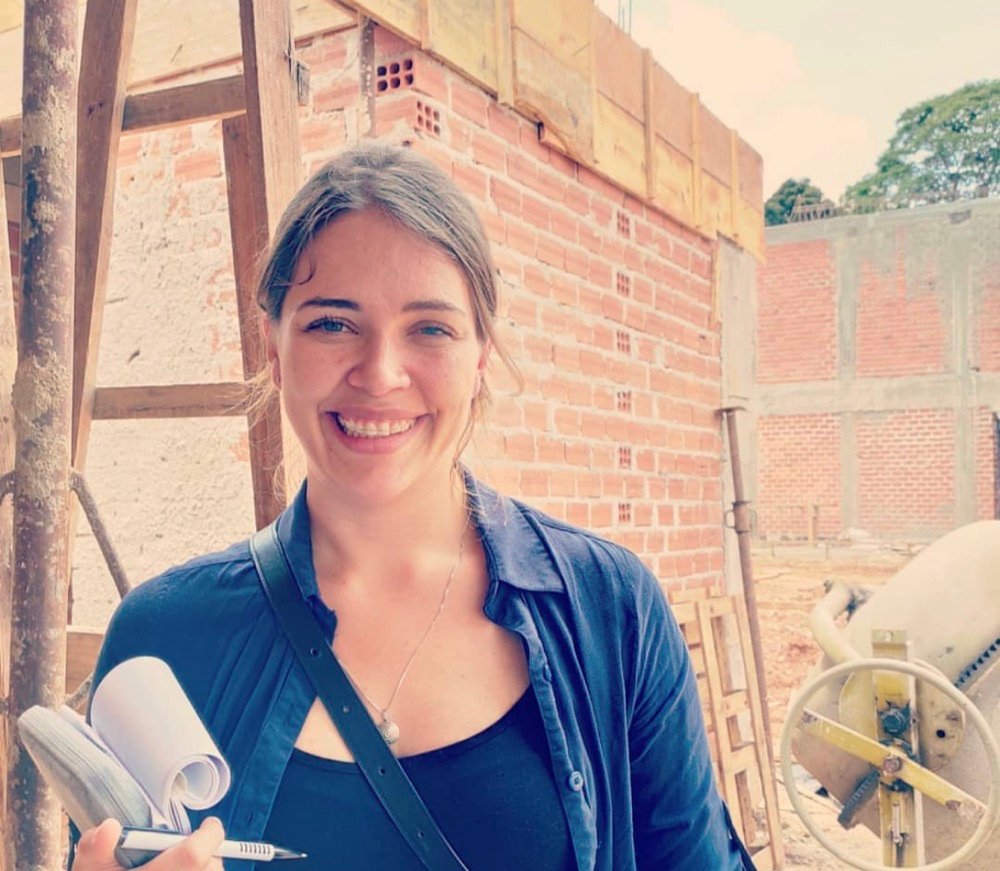
On a construction site, I saw what no office conversation would show: injured hands get in the way of fingerprint login.
One platform, two audiences: journalists and readers.
Interviews and usability tests with 20 journalists and readers validated the concept before launch.
What makes a feed “good”? Evaluating recommendation algorithms with real people.
Psychometrics applied to Machine Learning: a yardstick built with users brought objectivity to a subjective question.
Only 2.5% made it to the end: the why behind each bottleneck.
Interviews split by drop-off stage showed the why behind each bottleneck, and the team gained a metric for the journey.
More results
- European expansion: the barrier wasn’t cultural. Interviews in German and Italian, run by the localization team with my guidance, showed regulatory risks and discouraged the investment. See the case Turno
- +20% conversion in Latin America after adapting the app’s wording for the region (“match” became “connect”). Gameram
- Behavioral personas built from interviews and combined with product usage data. Gameram
- NPS and churn tracked over time, with detractor interviews explaining changes and informing onboarding improvements. Turno
- In-person courses moved online in four months; fixing terminology mismatches significantly increased enrollment. Conquer, via Materialize
The question defines the method.
-
In-depth interviews
Discover · Qualitative · ModeratedTalking directly with the people who use the product to understand motivations, context and pain points.
WhereDiscovery for Gameram’s dark mode: the request kept coming up.
-
Contextual research
Discover · Qualitative · ModeratedObserving people in their own environment, where real use happens.
WhereA construction site with Materialize: fingerprint login failed on injured hands.
-
Behavioral personas
Discover · Qualitative and quantitativeTurning behavior patterns into profiles that guide product decisions.
WherePersonas to move Conquer’s classes online, through Materialize.
-
Journey mapping
Discover · QualitativeVisualizing the end-to-end experience to find where it breaks.
WhereJourneys for Conquer’s online classes, to find friction points.
-
Moderated usability testing
Evaluate · Qualitative · ModeratedWatching people use a prototype or product live, and asking why.
WhereInsights that supported two investment rounds at Unpress.
-
Unmoderated testing
Evaluate · Qualitative and quantitative · UnmoderatedTests without a moderator to validate flows and versions with more people, faster.
WhereAlgorithm evaluation with experts at Gameram.
-
Card sorting
Evaluate · Qualitative and quantitativeUnderstanding how people group and label information.
WhereGuided a navigation redesign at Turno.
-
Expert evaluation
Evaluate · Qualitative and quantitative · UnmoderatedAdding expert judgment to users’ perspective when evaluating a solution.
Where4 feed algorithms evaluated against 12 criteria.
-
Surveys
Measure · Quantitative · UnmoderatedMeasuring attitudes and behavior at scale, with well-designed questions.
WhereAbout 650 responses after Gameram’s dark mode launch.
-
A/B testing
Measure · QuantitativeTurning insights into hypotheses and measuring the real effect.
Where+30% conversion from a test born from interviews.
-
Product analytics
Measure · QuantitativeReading real behavior in the product to know where to look.
WhereMixpanel, Metabase, Tableau and Firebase.
-
Experience metrics
Measure · QuantitativeNPS, CSAT and churn tracked over time.
WhereRecurring reports and dashboards at Turno.
From people I’ve worked with.
“Andriele helped us to understand our users dramatically better. […] She prepared several huge reports that changed our product.”
“She knows how to collect information effectively: she chose the right methods, asked the right questions, and ensured the data we gathered was reliable and aligned with our goals.”
“Andriele is an excellent UX researcher, notable for her dedication and responsibility. On top of that, she’s a pleasure to work with, always bringing a positive and can-do attitude to work.”
“She is the teammate you need. […] She is customer-centric, empathic in general and passionate when it comes to User Experience Research. I highly recommend her and would work with her anytime again!”
“I can’t speak highly enough of her dedication and expertise in the field of user experience. We had the opportunity to participate in some fascinating research activities together, and her insights were invaluable.”
“O trabalho da Andriele foi essencial para mapear as necessidades dos usuários e investigar se tinham match com os protótipos desenvolvidos. Foi uma grande parceria, aprendi muito com ela sobre UX research.”
“Trabalhei com a Andriele em projetos de diferentes áreas de negócios e em todas as oportunidades ela demonstrou muito comprometimento, proatividade e resiliência. Andriele possui um profundo conhecimento na área de UX Research, dominando o planejamento e execução de pesquisas […]”
From business question to decision.
The method comes after the question. Every study starts with a decision to be made and ends with a clear recommendation.
Frame
Understand the decision the team needs to make and what we already know, from data and from people.
Choose the method
Qualitative to understand why, quantitative to measure how much. Often both.
Go to the field
Interviews, moderated and unmoderated tests, surveys and product analytics, in three languages.
Synthesize to decide
Short, decision-focused reports for Product, ML, Design and leadership.
Toolkit.
What I use day to day, from data collection to analysis and sharing.
Qualitative
- User Interviews
- Lookback
- UX Tweak
- Optimal Workshop
- Fireflies
- Intercom
- HubSpot
Quantitative
- SurveyMonkey
- Survicate
- Mixpanel
- Metabase
- Tableau
- Firebase
- Crazy Egg
- SQL · Redshift
Collaboration and productivity
- Miro
- Notion
- Jira
- Confluence
- Claude
- NotebookLM
- OpenSpec
Timeline
Psychology as the base, product as the field. Before researching digital products, I studied human behavior.
-
Psychology
A bachelor’s and a master’s in Psychology at UFPR: the base for understanding how people behave.

Photo: Mateus Matsuda, CC BY 4.0. -
Digital products and services as a field
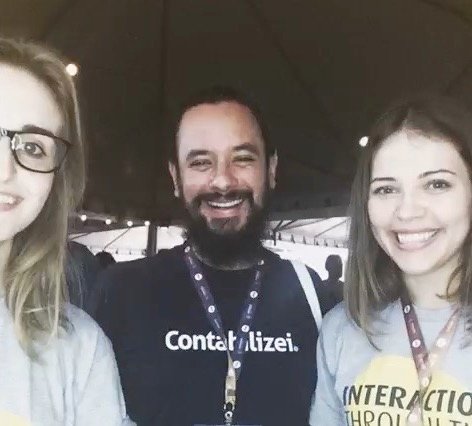
I entered the field in 2015, at an ethnographic research workshop with anthropologist Carol Zatorre, and in 2017 attended Interaction South America.
-
Product research
At Materialize, agile research and validation in design sprints, even on a construction site.
-
Independent projects
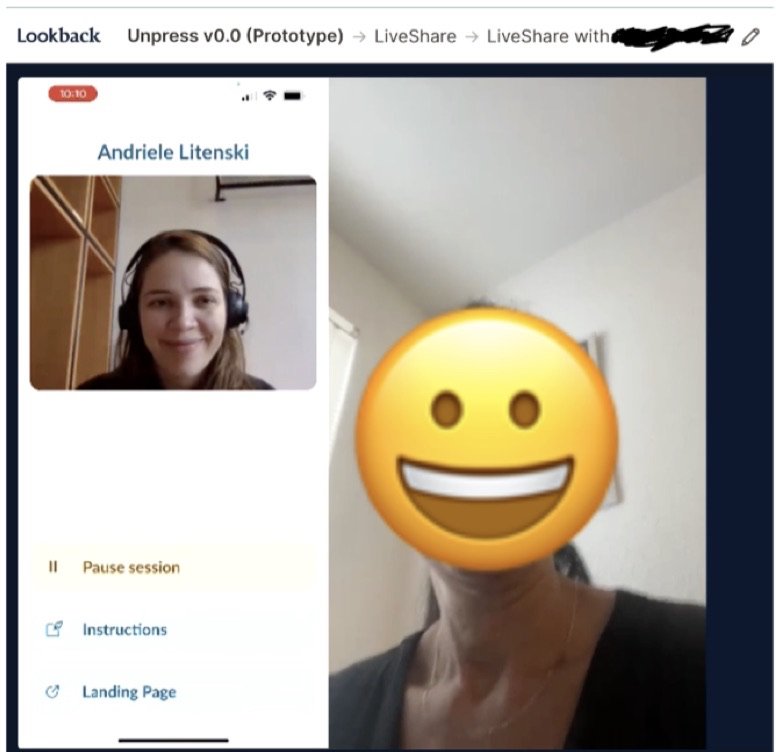
Tests with US journalists and readers for Unpress, and research for Yara.
-
A US marketplace
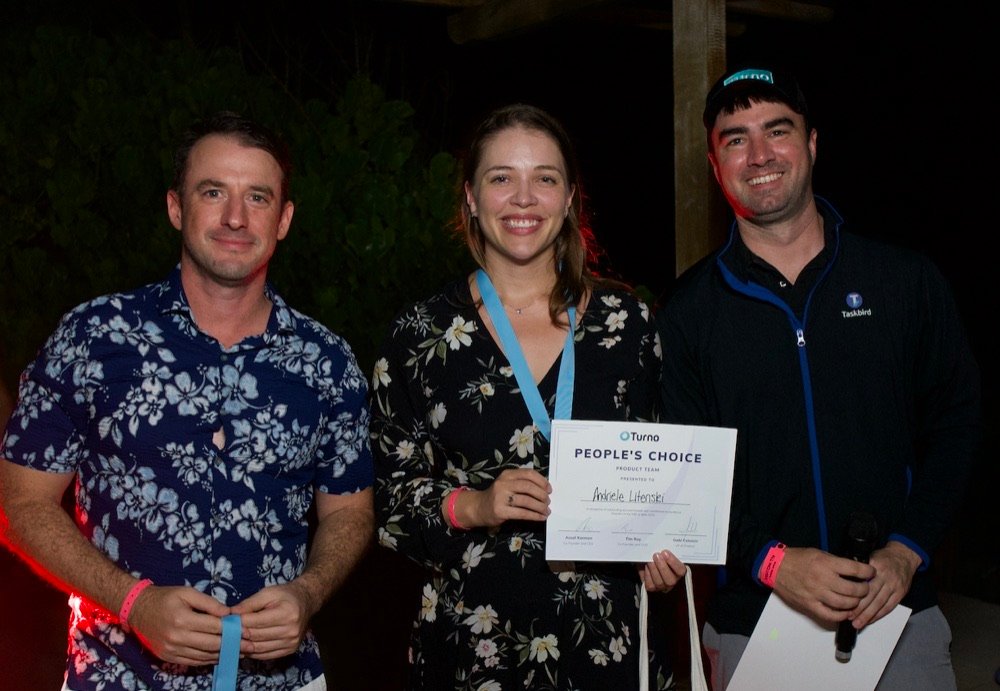
At Turno, I researched cleaners’ journey, created a metric for it and was voted best teammate.
-
Gameram and postgraduate studies
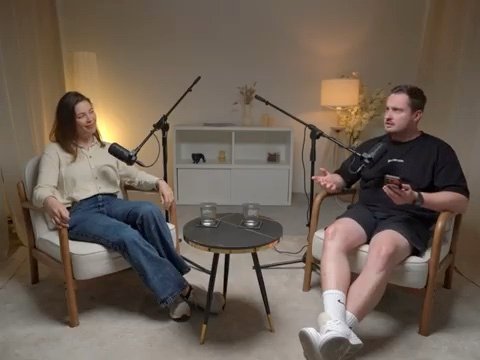
At Gameram, research in every phase of the product, from dark mode to feed algorithms. Alongside it, a postgraduate degree in UX Design at PUCRS.

Beyond research
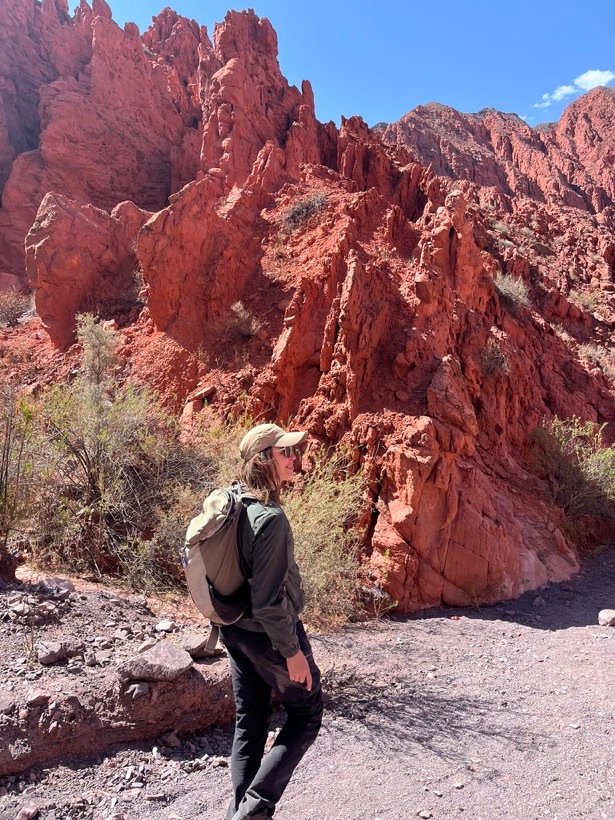
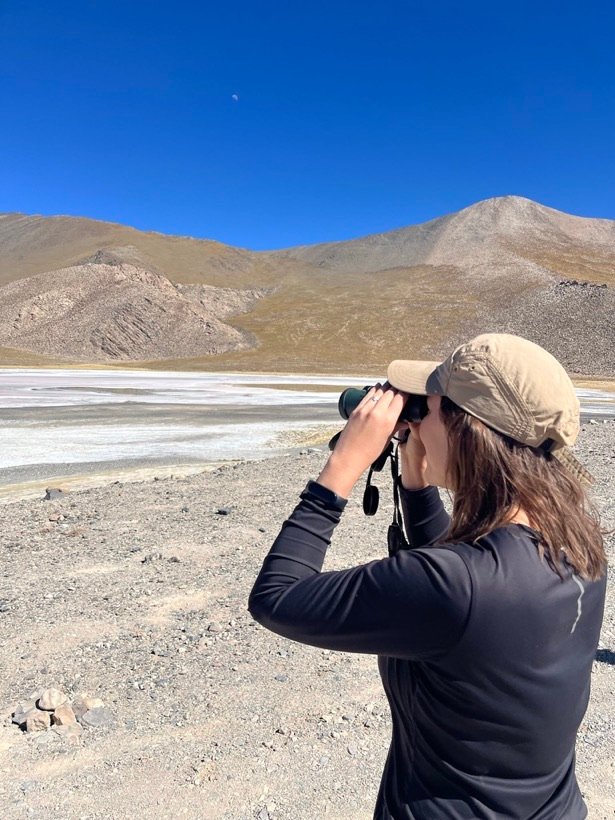
I like exploring the world and living a little bit of other lives. Getting to know new cultures, trying other ways of living and discovering how the world can be different depending on where we are and who we are.
I bring the same approach to interviews: I show up warm, start with light conversation and build trust quickly. That’s what makes room for the more personal questions, the ones that really explain behavior.
Notes and conversations on research.
Articles, videos and links on methods, language, and how a finding becomes a product decision.
The number shows it changed. The interview explains why.
Experience metrics tell you when something is wrong. On their own, they don’t say what to change.
ExperimentsFrom interview to A/B test.
An interview suggests what might change behavior. A test shows whether it did.
InterviewsUser interviews at Gameram.
A conversation with Oleg Silakov, CPO at Gameram, about the challenges of inviting and interviewing users, and about safety for the people who take part.
Have a product question that needs an answer?
I help teams make decisions with more confidence, with data and evidence instead of guesswork. I’m open to conversations about UX Research roles and research projects, in English, Portuguese or Spanish.