Context
Materialize was working with a client on the MVP of a construction management app. The goal was to explore a digital solution built for construction professionals and to validate the concept with real users.
In a one-week design sprint, the team built a prototype and ran research to understand how the solution would fit into people’s daily work.
Research question: how does this app fit into physical work done on a construction site, and what could get in the way of using it?
Approach
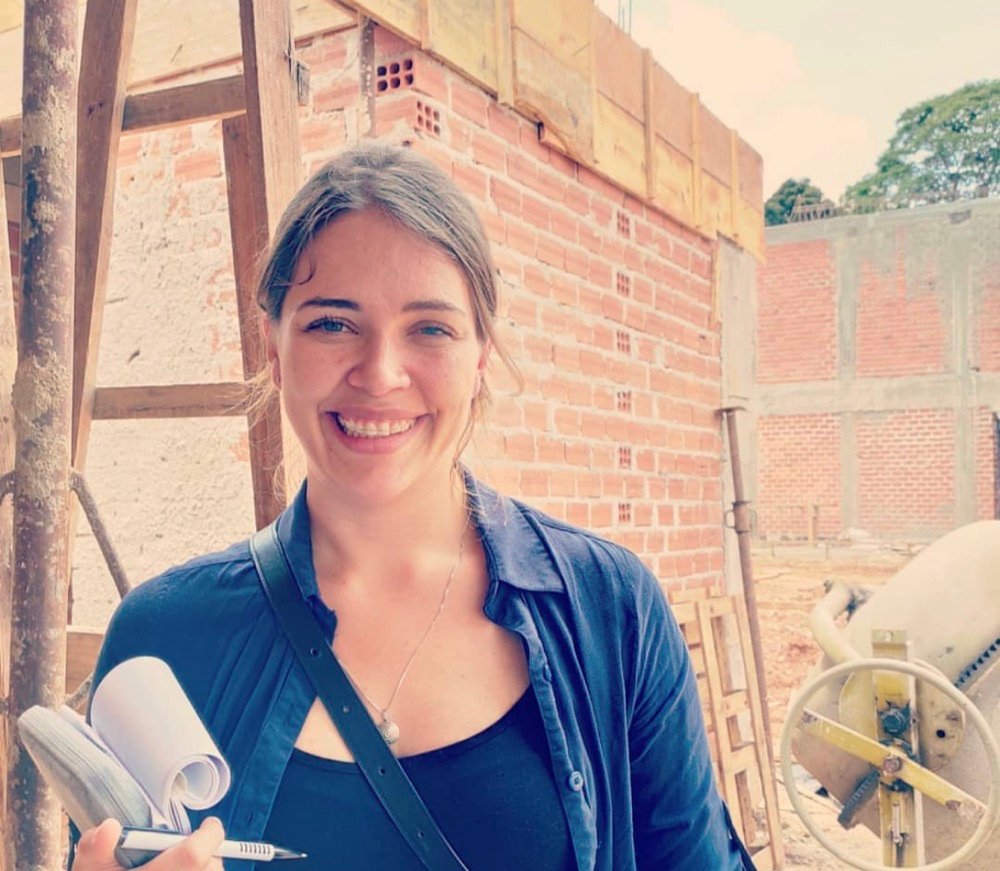
Instead of evaluating the product in isolation, I went to a construction site to observe the work environment and how people would use the app there.
I looked at the practical constraints of using technology in physically demanding work.
Findings
Fingerprint login wasn’t reliable on site.
The app planned to use fingerprint authentication. But construction workers often have cuts and injuries on their hands, which can make fingerprint recognition unreliable or annoying.
A simple interaction can become a barrier.
An interaction that seems obvious becomes a problem when it ignores the physical working conditions of the people who use it.
Outcome
The finding challenged fingerprint authentication and led the team to discuss facial recognition as an alternative.
Within the sprint week, the team built the MVP prototype and validated the concept with real users. The research added contextual evidence to weigh the proposal against the realities of construction work.
It shows what contextual research finds that an interview away from the workplace would miss.
Some details have been simplified for confidentiality.